If you ask a room full of adults what kids should be doing, you’ll get a hundred different answers.
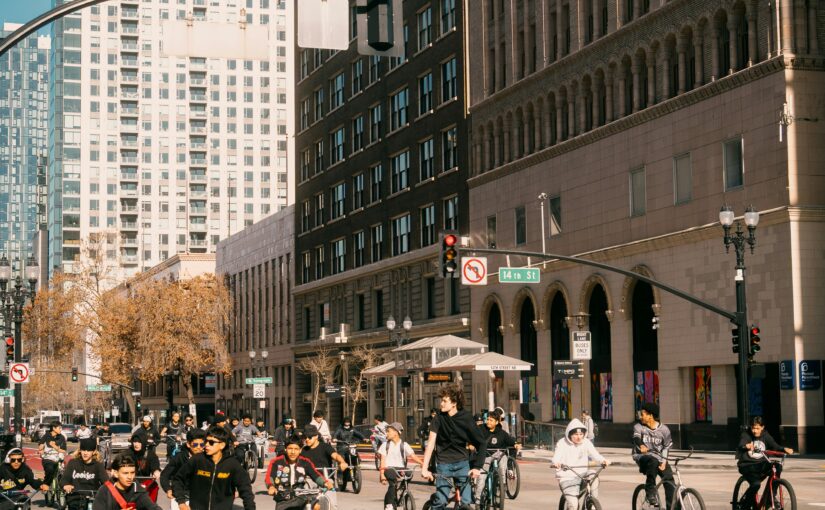
If you ask a room full of teens, many of them will tell you exactly what they want to do: ride.
They want to ride e-bikes, dirt bikes, scooters, motorcycles, skateboards, and anything else that gives them a sense of freedom, independence, excitement, and connection with their friends.
And honestly? We should be listening.
Across the country, the response to youth riding has increasingly been to ban it, restrict it, or make it harder to access. The reasoning is usually the same: some kids get hurt, some kids ride recklessly, and some kids are disrespectful. Those concerns are real and safety matters. However, banning something because some people use it irresponsibly has never been an effective long-term solution.
The kids who ride responsibly aren’t the problem. The teen who wears a helmet, follows the rules, respects pedestrians, and simply enjoys riding is not made safer by a ban. Instead, they lose access to an activity that brings them joy, confidence, community, and independence.
And what happens when something that young people love is banned?
It doesn’t disappear.
It goes underground.
Instead of teaching safe behavior, bans often encourage sneaky behavior. Kids become more focused on avoiding getting caught than on riding safely. They stop asking questions. They stop seeking guidance. They avoid adults who could help them learn proper safety practices. That doesn’t make anyone safer.
So why aren’t we talking more about regulation instead of prohibition?
We already regulate activities for adults. We require driver’s licenses. We create designated lanes. We enforce traffic laws. We issue citations and fines for unsafe behavior. We require safety equipment in many activities.
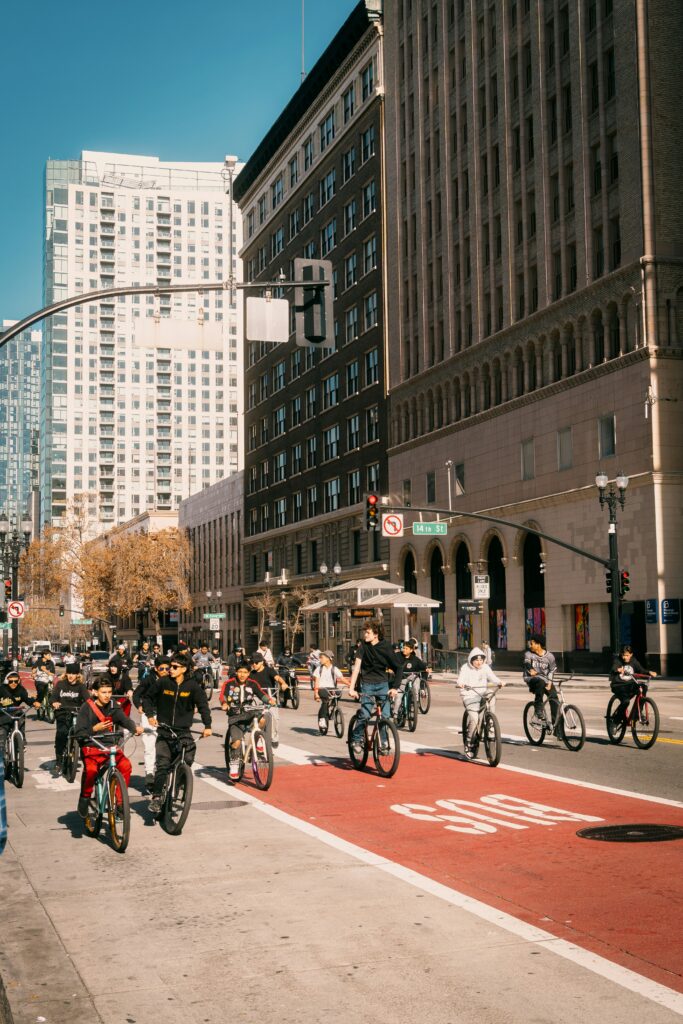
Why shouldn’t we take a similar approach with youth riders?
Imagine a system that focused on safety rather than punishment:
– Designated riding areas and lanes
– Safety education programs
– Helmet and protective gear requirements
– Community riding events
– Clear expectations and consequences for reckless behavior
– Enforcement targeted at unsafe riding rather than riding itself
This approach acknowledges a simple reality: young people need opportunities to take risks, explore independence, and experience freedom.
The goal shouldn’t be eliminating risk entirely. The goal should be helping young people navigate risk responsibly.
At Glass Youth Collective, we believe youth deserve a voice in conversations that directly affect them. If teens are repeatedly telling us that riding is what they love, what gives them confidence, what gets them outside, and what connects them with friends, then we owe it to them to listen.
Not every concern requires a ban. Sometimes the better question is not “How do we stop kids from doing this?” It’s “How do we help them do it safely?”
Because young people don’t stop needing freedom simply because adults are worried. They need guidance, structure, education, and trust. And those things have always been more effective than a ban.